
The Future of Manufacturing with 3D Printing Technology
March 16, 2026
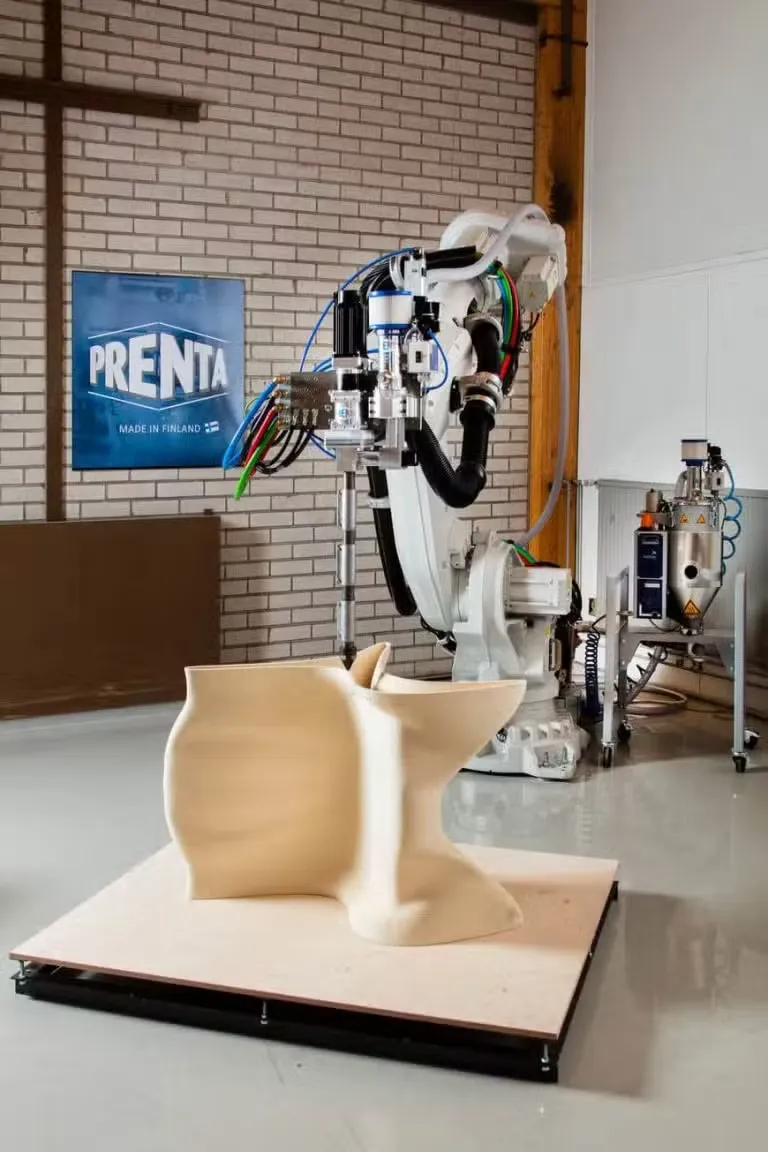
3D printing, also known as additive manufacturing, has rapidly evolved from a niche prototyping method into a revolutionary manufacturing technology used worldwide. From creating complex industrial parts to customized medical implants, 3D printing is reshaping how products are designed, developed, and manufactured.
Unlike traditional manufacturing methods that remove material through cutting or drilling, 3D printing builds objects layer by layer using digital models. This process offers unmatched flexibility, precision, and efficiency.
How 3D Printing Works
The process begins with a 3D digital design created using CAD (Computer-Aided Design) software. The design is then sliced into thin layers using slicing software, which generates instructions for the 3D printer.
The printer deposits material layer by layer until the final object is completed. Depending on the printer type and application, materials may include:
PLA and ABS plastics
Resin
Nylon
Carbon fiber composites
Metal powders
Biocompatible materials
Need a quote?
Just send us a message and we'll connect with you and give you a quote.
Send a message